Maintaining a competitive edge in e-commerce can be a challenging task, AI marketing automation has ushered in a new era of customer engagement and efficiency. It offers businesses data-driven insights and automates repetitive tasks.
Let’s delve into the best practices for implementing AI marketing equipping you with the tools to boost your marketing endeavors.
The Impact of AI in Marketing
AI systems have the extraordinary ability to analyze vast datasets within seconds, providing crucial insights into customer behaviour, preferences, and market trends. But AI is not just about prediction; it’s about prescription.
It can recommend personalized marketing strategies, optimize advertising expenditure, and suggest the ideal times to engage with your target audience. This translates to higher conversion rates, better returns on investment (ROI), and improved customer satisfaction.
Best Practices for Integrating AI-Based Marketing
1. Define Clear Objectives
What do you aim to achieve? Is it higher sales, increased customer retention, or enhanced brand recognition? Having well-defined goals will provide a roadmap for your AI implementation and a means to measure its effectiveness.
2. Choose the Right Tools
The market offers a plethora of AI-based marketing tools, each with its unique features. The key is to select the one that aligns with your specific business needs and objectives. Whether it’s HubSpot for inbound marketing or Marketo for B2B marketing, pick the tool that best fits your strategy.
3. Harness Data Effectively
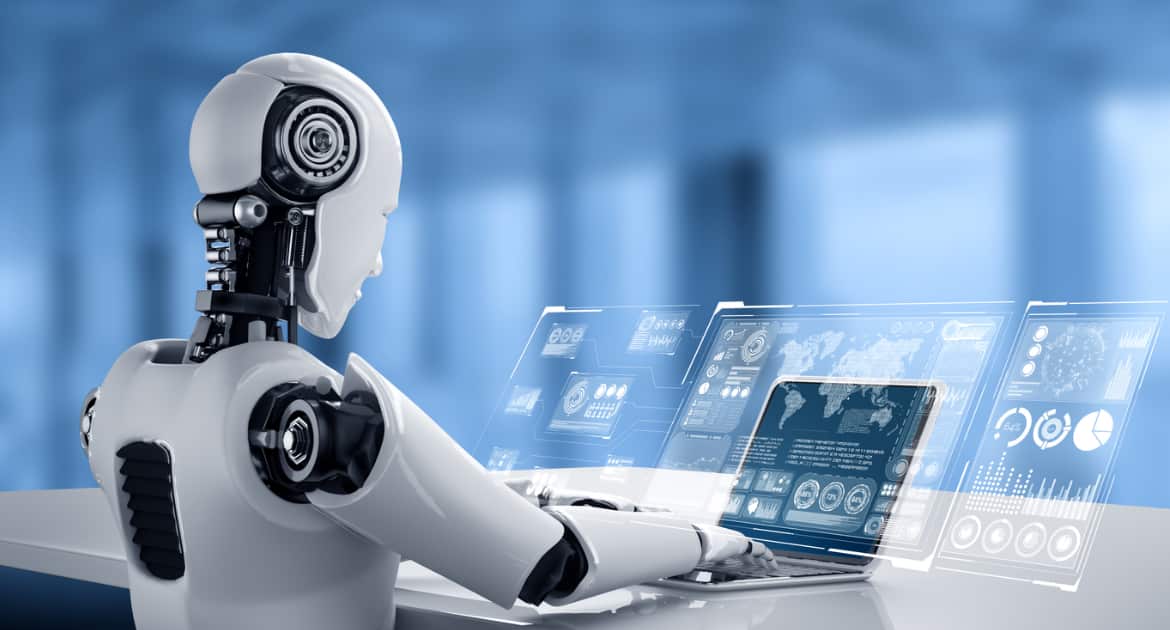
AI’s strength lies in its ability to sift through vast datasets and extract actionable insights. Leverage AI to analyze customer data and segment your audience based on their behaviors, preferences, and demographics. This enables you to create highly personalized marketing campaigns that truly resonate with your customers.
4. Test, Learn, and Optimize
Continuously test your AI-driven strategies and campaigns. A/B testing, for instance, allows you to compare two versions of an email or ad to determine which one performs better. Learn from these tests and adapt your approach based on real-time feedback and results.
In Closing
AI marketing automation is not a mere trend; it’s here to stay and has become an indispensable tool for businesses of all sizes. To thrive in today’s dynamic marketplace, embracing AI and using it strategically is imperative.
Start with clear objectives, select the right tools, harness data effectively, and continuously test and optimize your strategies. By doing so, you’ll set yourself on the path to marketing success in the AI-driven era.